
How to See Any Competitor’s Email Newsletters (Free)
The archives hold the campaigns. The flows only arrive if you set them off yourself.

Henry SedgwickProduct marketing
There are two ways to see competitor email newsletters and they answer different questions. A public archive shows you a brand’s campaigns in about thirty seconds. A mailbox you set up yourself shows you their automated flows, and no archive on the market holds those.
Start with the archive, because it is instant and it costs nothing. Milled is a public search engine over ecommerce marketing email, so you type in a brand and read what they sent without joining anybody’s list. Really Good Emails is a curated gallery if you want craft rather than coverage. AIMS Discover is a free searchable archive of real brand emails, which I built, so weigh that as you like. Any of the three answers the question you came here with. Then keep reading, because there is a second half nobody covers.
2 years
How long one click on their email can keep you cookied in Klaviyo
5
Automated flows that no email archive contains
$0
Cost of the whole method below, bar one small order
An archive and a seed inbox are not substitutes
Public archive
A mailbox you own
02
Route one: the archives, free and incomplete
Milled
A public search engine over ecommerce marketing email. Type a brand name, read what they sent, no subscription needed. The fastest answer to what does this brand’s email look like.
Really Good Emails
A curated gallery, free to browse. Chosen for craft, which makes it strong on quality and partial on coverage. Your direct rival’s Tuesday send is unlikely to be in there.
AIMS Discover
Ours, free and searchable, with the same brands’ ads and organic posts alongside the emails. Declaring the interest so you can discount it.
A monitored inbox tool
Owletter, SendView, Panoramata and Hoppy Copy subscribe on your behalf and store what arrives. They cost money and start empty on the day you add a sender.
03
Route two: a seed inbox you own, in about ten minutes
- 1
Get an address that is not your work one
A free mailbox anywhere works. If you would rather not run another account, DuckDuckGo Email Protection hands out forwarding addresses free, Firefox Relay gives you five, and Apple’s Hide My Email needs a paid iCloud+ plan.
- 2
Give every brand its own tag
Gmail, Outlook and Yahoo all treat you+brandname@gmail.com as your address, and the tag is filterable and searchable. Some signup forms reject the plus sign, so keep one plain address in reserve for those.
- 3
Pick eight senders, not eighty
Two direct competitors, three brands a size up from you, three from any category whose email you genuinely admire. Eighty is a hobby you will abandon inside a fortnight.
- 4
Sign up through the popup, not the footer
The popup is usually the front door of the welcome flow and the discount attached to it. The footer form often drops you onto the plain newsletter list, where a duller sequence runs.
- 5
Filter on arrival, not later
One rule per tag, one label per brand, skip the inbox entirely. Do it on day one. Leave it a month and the whole thing turns into a pile nobody opens.
- 6
Book thirty minutes a fortnight
Cadence only shows up over weeks. One email tells you almost nothing, and the value here comes entirely from still reading it in six months.
“Our welcome flow was one email for three years. I only found out that the brands beating us send four because I signed up with a burner and waited.” Sam, coffee subscription, team of six
04
The emails no archive has
Campaigns are the loud part of a brand’s email programme and the smaller part of the work. The flows run on a clock for every single customer, forever, which is why they get iterated on far more than any Tuesday send. Each one stays invisible until you set it off yourself.
Welcome series
Sign up through the popup and then do nothing at all. Most brands send two to five emails over the first fortnight, and the sequence is their whole acquisition argument in order.
Abandoned cart
Add a product, go through to checkout, type your address into the email field, then close the tab. The address is the trigger, not the basket. Leaving from the cart page often sets off nothing.
Browse abandonment
Click a link in one of their emails first, then view two product pages and leave. Klaviyo only fires this flow for identified profiles, and that click is what identifies you. Skip it and you will wrongly conclude they do not run one.
Post-purchase
Buy the cheapest thing they sell. Confirmation, shipping, usage tips, the review request and the cross-sell all arrive on a schedule, and paying once is the only way to read it.
Winback and sunset
Stop opening for two or three months. What lands then tells you what a lapsed customer is worth to them, which is usually the largest discount they will ever put in writing.
Five triggers, ninety days, one mailbox
What you are after is the shape rather than any single email: how many arrive, how fast, what each one asks for, and how far in the discount finally shows up. That shape is the thing your own flows can be measured against, and it is exactly the part an archive cannot hand you, because nobody in the archive ever did anything.
05
What to write down
Where it sits in the sequence
Email three of a welcome flow is doing a different job to email one. Note the position before you judge the email.
How far down the first ask sits
Count the blocks before the first call to action. That number separates brands that sell from brands that introduce themselves.
The hero to offer ratio
How much height goes to the image before anything is asked of the reader, and how much the discount is allowed to take.
Where the proof lands
Reviews, press, a guarantee. The placement tells you which objection they believe arrives at that point in the scroll.
What repeats across the flow
The module that turns up in every email of a sequence is the one they have already tested and kept.
Offer or design
Half of what looks like a brilliant email is a brilliant discount. Write down which one you are admiring or you will copy the wrong half.
06
Turning a folder of emails into a send
This is where every guide on this subject stops, and it is where the actual difficulty starts. You have forty competitor emails sitting in a label. You pick the best one and describe it to whoever builds yours: clean, premium, big hero, offer above the fold, three modules, a footer. What comes back is not it. Nobody failed. A description cannot carry the thing you were pointing at.
An image model has the same problem and it is worth being precise about why. AI is brilliant at making things. Ask for a product shot and you get one that is close to perfect. What it does not have is the human judgement about what is any good, and an email is four or five images, a hierarchy, copy and a call to action all exercising that judgement at once. From a written brief the model has no idea. Given an email a designer already built well, it has plenty.
Somebody else’s email, your product, your email

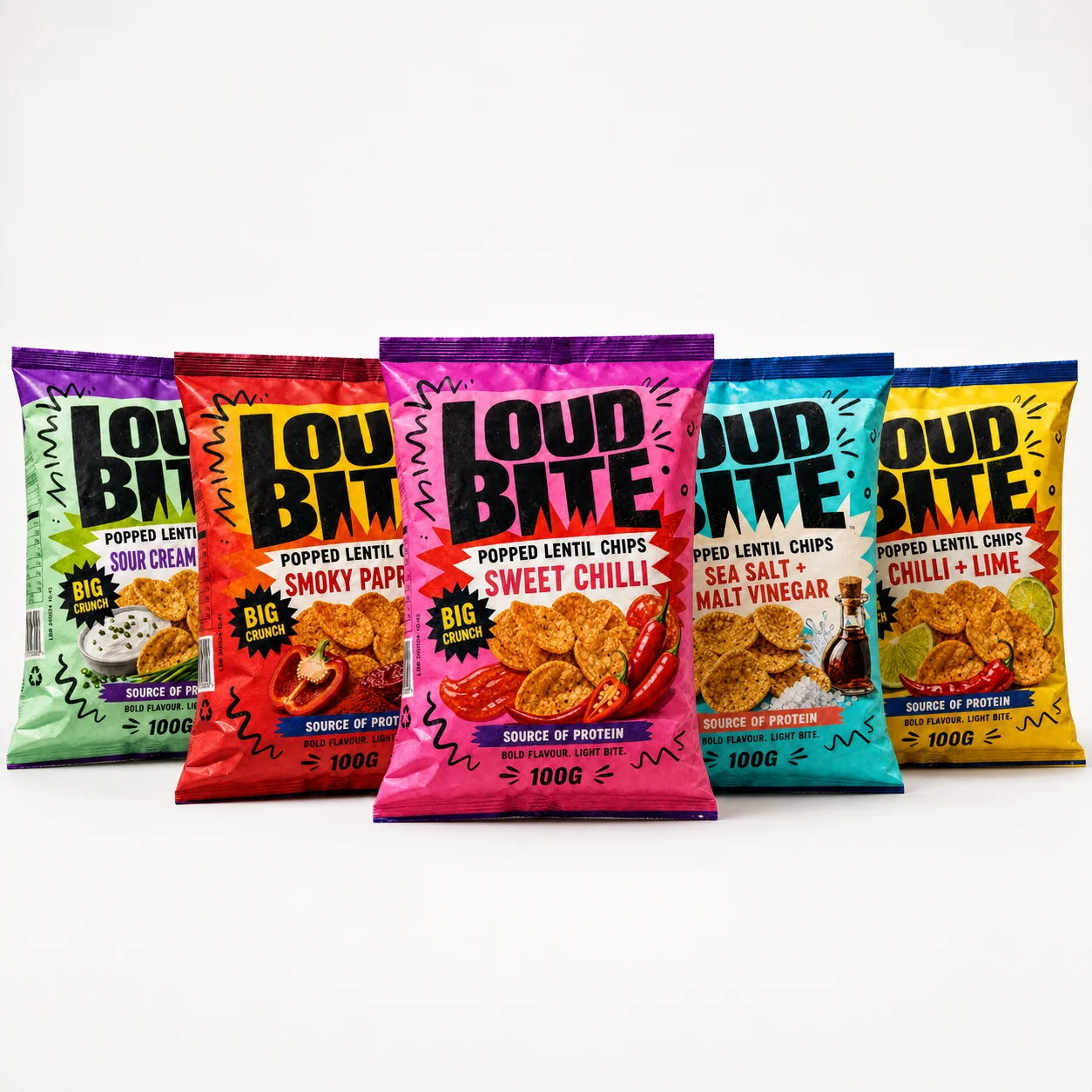
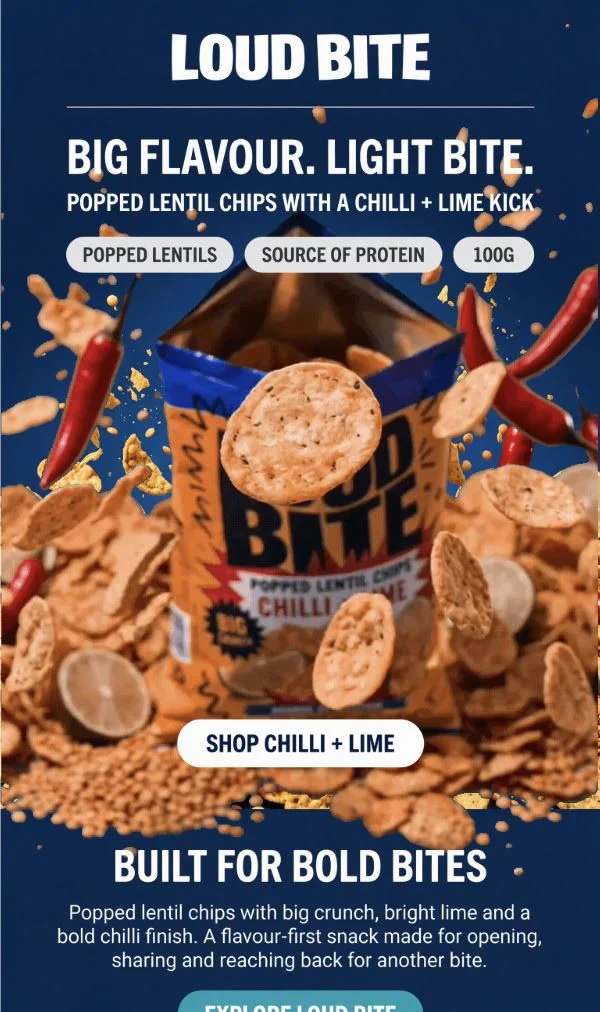
We were sitting on two years of saved competitor emails and sending one badly built campaign a month. The folder was never the problem.
07
Where AIMS fits
AIMS Discover is a free searchable archive of real brand emails, so the first half of this post costs nothing on our side either. The half I care about more is what happens after you find one worth learning from. Save it and AIMS pulls apart what the designer actually did, the module order, the hero to offer ratio, where the call to action sits, then hands that analysis to the model along with your product photography and your palette. What comes back is your email with their structure. The teardown page runs the analysis step on a brand of your choosing if you want to watch it happen first.
08
FAQs
Is it legal to subscribe to a competitor’s newsletter?
Yes. It is a public mailing list and you are a person joining it. What is not fine is republishing their emails, or lifting their copy, photography or logo into your own sends. Structure, cadence and layout logic travel between brands. Assets do not.
How do I see a competitor’s abandoned cart email?
Add something to the basket, go through to checkout and enter your email address, then leave. The address is the trigger, not the basket. If nothing arrives within a few days, either they do not run the flow or the checkout never captured you, so try again and get as far as the payment step before you close the tab.
Can they tell it is me?
They can see the address, the domain and whether you open. If that matters, use a forwarding alias rather than yourname@yourbrand.com. Bear in mind that some alias services strip the tracking pixel, which makes you a permanent non-opener and eventually routes you into the re-engagement sequence.
What is the best free way to see competitor email newsletters?
A public archive for the back catalogue and a mailbox you own for everything from today onwards. Milled and AIMS Discover both search for free, and a seed inbox costs nothing but ten minutes, plus the price of one small order if you want to see the post-purchase flow.
How many competitors should I track?
Eight. Two direct, three a size up from you, three from any category whose email you genuinely admire. Longer lists get read enthusiastically for a fortnight and then ignored, and all of the value here comes from still reading it in six months.